Every commercial roofing project tells a story, but the most valuable lessons often come from repairs rather than complete replacements. A well-executed repair project can restore performance, extend roof life, and prevent disruptions that affect tenants, employees, and daily business operations. This case study examines how professional Commercial Roof Repairs can resolve developing roofing issues before they become major structural concerns.
The following example is based on common conditions experienced by many commercial properties. Rather than focusing on a specific building, it illustrates a realistic repair process using industry best practices that experienced commercial roofing professionals apply every day.
The Situation
A multi-tenant commercial building began experiencing occasional roof leaks after periods of heavy rainfall. Initially, the issues appeared isolated, affecting only one section of the building. Maintenance staff placed temporary containers beneath ceiling stains while assuming the problem was limited to a small portion of the roof.
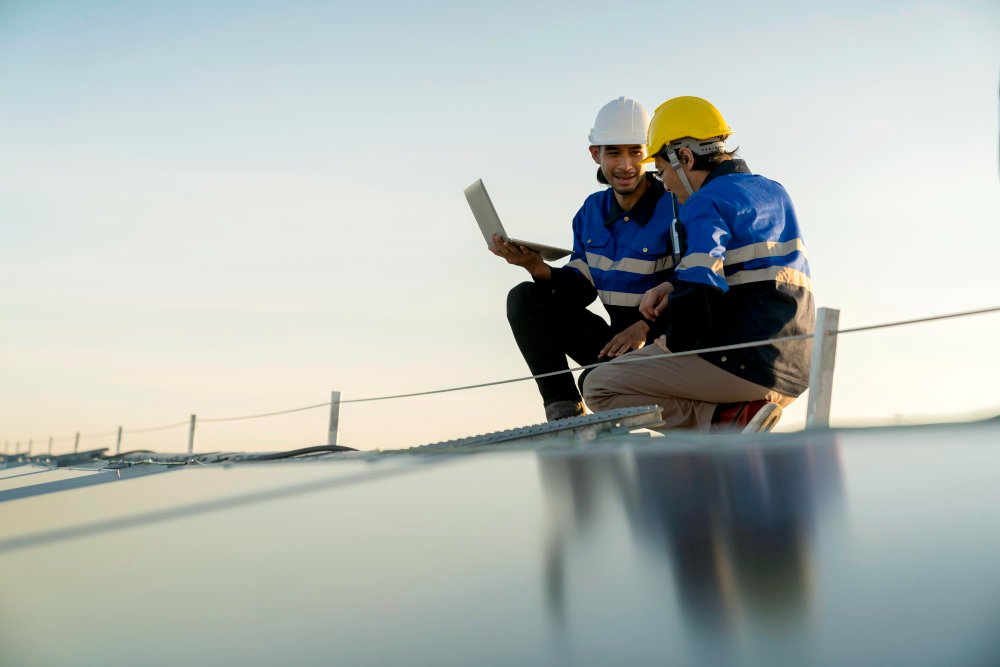
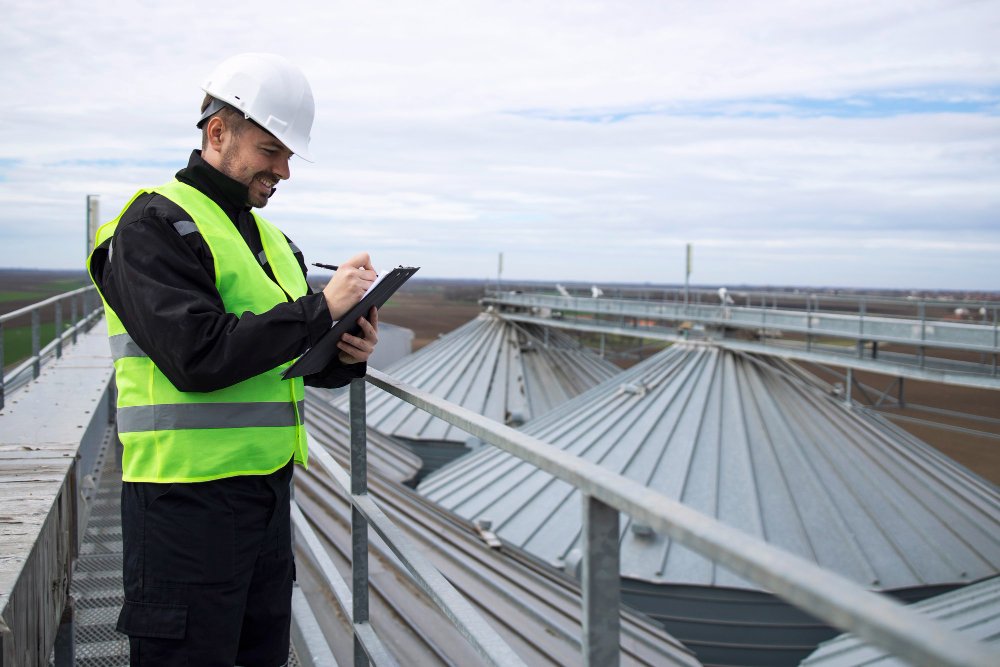
However, a professional roof inspection revealed a more complex situation. The roofing membrane remained largely serviceable, but several supporting components had begun showing signs of age. Flashing around rooftop equipment had deteriorated, drainage performance had been reduced by debris accumulation, and sealants around multiple penetrations had gradually weakened after years of exposure to changing weather conditions.
Instead of recommending immediate roof replacement, the inspection focused on identifying repair opportunities capable of restoring long-term performance while preserving the existing roofing system.
| Before | After Planned Repairs |
|---|---|
| Recurring roof leaks during heavy rain. | Water intrusion pathways identified and repaired. |
| Aging flashing around rooftop equipment. | New flashing restored waterproof protection. |
| Restricted roof drainage. | Drainage system cleaned and optimized. |
| Unknown condition beneath the roof surface. | Comprehensive inspection documented roof condition. |
The Challenge
The greatest challenge wasn’t repairing visible leaks—it was identifying their true source. Commercial roofs often allow water to travel beneath the membrane before becoming visible inside the building. As a result, interior stains rarely indicate the exact location where moisture entered the roofing system.
Another challenge involved preserving business operations throughout the repair process. Because the building remained occupied, repairs needed to be carefully scheduled to minimize disruptions for tenants while maintaining safe access around rooftop work areas.
The inspection also confirmed that a complete roof replacement was not yet necessary. The existing roofing system retained substantial service life, provided repairs addressed the developing weaknesses before additional moisture damage occurred.
Project Timeline
- Day 1: Comprehensive roof inspection and moisture assessment.
- Day 2: Repair planning, documentation, and project scheduling.
- Days 3–5: Flashing repairs, membrane restoration, drainage improvements, and sealant replacement.
- Final Inspection: Quality verification and maintenance recommendations.
The Solution
Rather than replacing large sections of roofing unnecessarily, the repair strategy focused on correcting the specific components responsible for water intrusion. Roofing professionals systematically repaired damaged flashing, restored compromised membrane areas, resealed roof penetrations, improved drainage, and verified that all repaired sections integrated correctly with the existing roofing system.
Equally important, the project included a complete maintenance review. Small concerns that had not yet developed into active leaks were documented and addressed, helping reduce the likelihood of future emergency repairs.
This targeted approach allowed the property owner to preserve a substantial portion of the existing roofing system while significantly improving its overall performance.
The Results
Once repairs were completed, the building owner noticed immediate improvements—not because the roof looked dramatically different, but because it performed differently. The recurring leaks that had interrupted normal operations during heavy rainfall were resolved, drainage functioned as intended, and the repaired flashing restored critical waterproofing around rooftop penetrations.
Perhaps more importantly, the project demonstrated that a detailed inspection combined with targeted repairs could solve the underlying causes of water intrusion without requiring premature roof replacement. Instead of reacting to future emergencies, the property owner now had a documented understanding of the roof’s condition and a maintenance plan designed to preserve its remaining service life.
Metrics Summary
- ✓ Active leak sources were identified and professionally repaired.
- ✓ Roof drainage performance was restored.
- ✓ Flashing integrity was improved around vulnerable roof penetrations.
- ✓ Existing roofing system remained in service, avoiding unnecessary replacement.
- ✓ Preventive maintenance recommendations were established for long-term performance.
| Project Stage | Before Repairs | After Repairs |
|---|---|---|
| Roof Condition | Developing deterioration with isolated leaks. | Restored waterproof integrity. |
| Drainage | Restricted by debris and standing water. | Efficient water flow across the roof. |
| Flashing | Visible weather-related deterioration. | Properly sealed and reinforced. |
| Maintenance Strategy | Reactive maintenance only. | Preventive inspection plan established. |
Key Lessons
This case study reinforces an important principle of commercial roofing: not every leak requires a complete roof replacement. Many roofing systems continue to provide years of dependable service when developing problems are identified early and repaired correctly.
Several lessons emerged from the project:
- Professional inspections identify the true source of leaks—not just the visible symptoms.
- Targeted repairs often preserve existing roofing systems while extending service life.
- Drainage and flashing deserve the same attention as the roofing membrane itself.
- Preventive maintenance reduces the likelihood of emergency repairs and unexpected operational disruptions.
- Long-term planning consistently delivers greater value than reacting to isolated roofing problems.
Working with an experienced Commercial Roofing Contractor also ensured that every repair supported the overall performance of the roofing system rather than simply addressing individual leaks. By evaluating the complete building envelope—including drainage, flashing, roof penetrations, and waterproofing details—the repair strategy delivered a more durable and reliable result.
Case Study Conclusion
Commercial roof repairs are most successful when they focus on identifying root causes rather than treating visible symptoms. Careful inspections, targeted repairs, and proactive maintenance help extend roof life, improve building performance, and protect long-term property value.
Protect Your Commercial Property with Confidence
Every commercial roof will eventually require attention, but the timing and quality of that response often determine whether the outcome is a straightforward repair or a costly replacement. Investing in professional inspections and addressing developing issues early allows property owners to protect their buildings while making informed financial decisions.
When repairs are performed strategically and supported by ongoing maintenance, a commercial roofing system can continue delivering dependable protection for many years. The greatest success is not simply fixing today’s leak—it’s preventing tomorrow’s problem.