Choosing the right exterior finish is one of the biggest decisions homeowners make during a renovation. Beyond appearance, your exterior affects energy efficiency, maintenance requirements, weather resistance, and long-term property value. Homeowners comparing siding or stucco often discover there is no universal answer because each material performs differently depending on climate, budget, and architectural style.
Both siding and stucco have been used for decades and remain among the most popular exterior options available today. While one may offer lower maintenance, the other may deliver better insulation or visual appeal. Understanding their differences can help you make a smart investment that protects your home for years to come.
Understanding Siding and Stucco
What Is Siding?
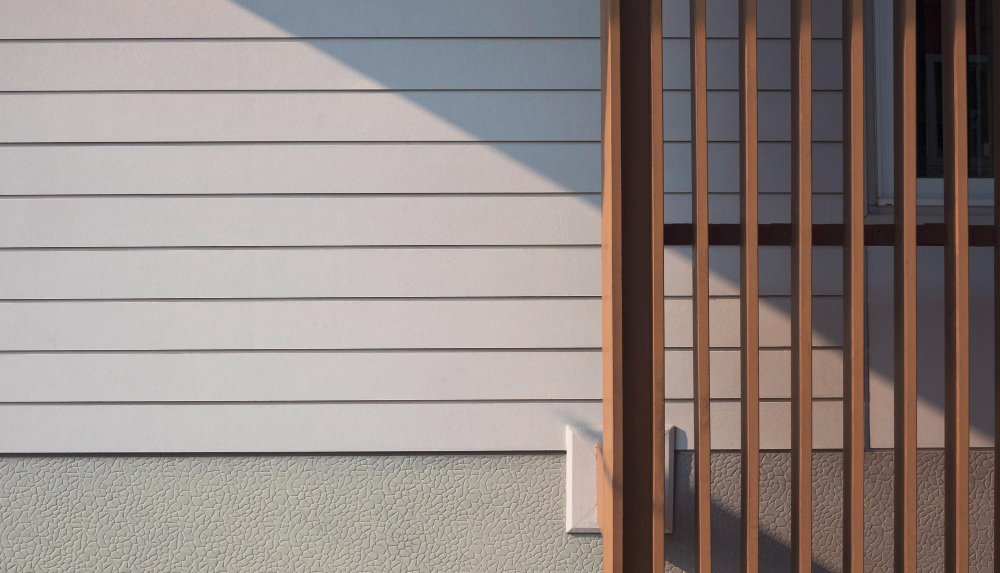
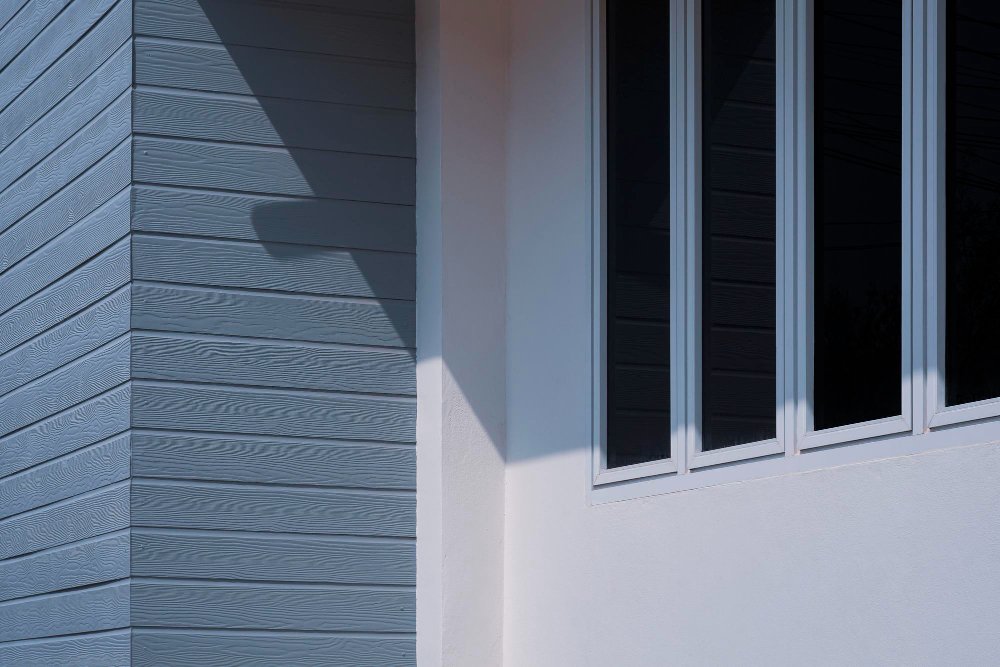
Siding refers to exterior cladding installed in overlapping sections or panels to protect a home’s structure from weather exposure.
Popular siding materials include:
- Vinyl siding
- Fiber cement siding
- Engineered wood siding
- Metal siding
- Composite siding
Siding offers versatility and works with many architectural designs.
What Is Stucco?
Stucco is a cement-based exterior finish applied in multiple layers over a supportive framework.
Traditional stucco contains:
- Cement
- Sand
- Lime
- Water
Modern synthetic stucco systems also exist, offering additional insulation and flexibility.
Comparing Initial Installation Costs
Budget is often the first consideration homeowners evaluate.
When comparing siding or stucco, installation expenses vary significantly.
Siding Installation Costs
- Vinyl: $6 to $12 per square foot
- Fiber cement: $8 to $15 per square foot
- Engineered wood: $9 to $16 per square foot
Stucco Installation Costs
- Traditional stucco: $10 to $18 per square foot
- Synthetic systems: $12 to $20 per square foot
Stucco often requires specialized labor, increasing project costs.
Long-Term Maintenance Requirements
Maintenance greatly impacts total ownership expenses.
Siding Maintenance
Siding generally requires minimal upkeep.
- Annual cleaning
- Occasional inspections
- Minor repairs when needed
- Panel replacement if damaged
Some materials require repainting after several years.
Stucco Maintenance
Stucco also performs well but requires routine attention.
- Crack inspections
- Sealant maintenance
- Periodic cleaning
- Moisture monitoring
Ignoring small cracks may lead to larger structural problems.
Weather Resistance and Climate Performance
Your regional climate should strongly influence your decision.
Siding Performs Well In:
- Cold climates
- Rainy regions
- Areas with freeze-thaw cycles
- Variable weather environments
Stucco Performs Well In:
- Dry climates
- Warm regions
- Desert environments
- Low-moisture areas
Moisture management becomes particularly important for stucco in humid regions.
Energy Efficiency Considerations
Energy performance extends beyond aesthetics.
Both materials can improve efficiency when installed correctly.
Siding Efficiency Upgrades
- Rigid foam insulation
- House wrap systems
- Insulated siding products
- Air barrier systems
Stucco Efficiency Benefits
- Thermal mass properties
- Stable indoor temperatures
- Reduced temperature fluctuations
- Enhanced insulation when combined with modern systems
Professional installation maximizes these benefits.
Durability and Lifespan
Homeowners expect exterior materials to last decades.
Siding Lifespan
- Vinyl: 20 to 40 years
- Fiber cement: 40 to 50 years
- Engineered wood: 30 to 50 years
Stucco Lifespan
- Traditional stucco: 50 to 80 years
- Synthetic stucco: 30 to 50 years
Proper maintenance significantly influences longevity.
Curb Appeal and Architectural Style
Exterior aesthetics influence both homeowner satisfaction and resale value.
Siding Complements:
- Farmhouse designs
- Colonial homes
- Craftsman architecture
- Contemporary homes
Stucco Complements:
- Mediterranean homes
- Spanish-style architecture
- Southwestern designs
- Modern residences
Neighborhood consistency may also affect your selection.
Which Material Offers Better Resale Value?
Updated exteriors consistently improve marketability.
Both materials can increase home value when properly installed.
Buyers often prioritize:
- Low maintenance
- Energy efficiency
- Visual appeal
- Long-term durability
The local housing market often influences buyer preferences.
Who Should Choose Siding?
Siding is ideal for homeowners who:
- Want lower upfront costs
- Prefer minimal maintenance
- Live in wetter climates
- Need installation flexibility
Who Should Choose Stucco?
Stucco is ideal for homeowners who:
- Live in dry climates
- Prefer Mediterranean aesthetics
- Want long lifespans
- Value thermal performance
Many homeowners researching stucco versus siding ultimately base their decision on local weather patterns and architectural goals.
Questions to Ask Before Starting Your Project
- What is my renovation budget?
- How long will I stay in this home?
- What climate conditions affect my property?
- How much maintenance am I willing to perform?
- What architectural style do I prefer?
These answers can simplify the decision-making process.
Final Thoughts
Choosing between siding or stucco requires balancing cost, maintenance, climate performance, and design preferences. Both materials offer impressive benefits when professionally installed.
Siding provides affordability, versatility, and lower maintenance requirements, while stucco delivers timeless beauty and exceptional longevity in suitable climates.
By carefully evaluating your home’s needs and future goals, you’ll be able to confidently decide whether siding or stucco is the best investment for your exterior remodeling project.